


The Rise of Modern Korean Barbecue in Atlanta
Atlanta’s food scene continues to flourish, and a star on the rise is the modern Korean barbecue restaurant. In this post, we’ll explore how innovative barbecue spots are blending tradition with contemporary flair, carving out a unique place in the city’s culinary landscape.
Beyond Bulgogi: Atlanta’s New Korean BBQ Wave
Over the past few years, Korean barbecue in Atlanta has evolved far beyond the classic bulgogi and galbi. High-end spots like Breakers Korean BBQ and 9292 Korean BBQ have become destinations in their own right, attracting foodies with their elevated approach. These restaurants offer an immersive dining experience, with table grills, top-quality meats ranging from delicate brisket to marbled wagyu, and inventive marinades that highlight both Korean flavors and Southern influences.
What sets Atlanta’s Korean BBQ apart is its embrace of local ingredients and hospitality. Some establishments source pork belly from Georgia’s heritage farms, while others twist tradition by pairing kimchi with regional vegetables or introducing creative barbecue sauces inspired by American South barbecue legends. The proliferation of banchan—arrayed in small, artful bowls—creates a visual and flavorful journey, each offering balancing spice, crunch, and umami.
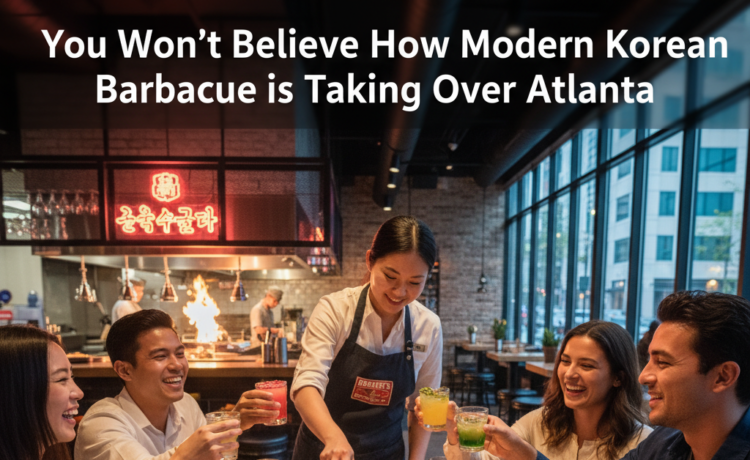
Dining here often becomes a communal event, where the boundaries between kitchen and table blur. Servers guide guests through the grilling process, ensuring each cut is prepared to perfection, while explaining the origin stories behind each dish. It’s an atmosphere that feels celebratory, interactive, and deeply rooted in Atlanta’s spirit of culinary exploration.
Neighborhood Gems & Modern Traditions
While established districts like Doraville and Duluth have long been havens for authentic Korean cuisine, new-style BBQ joints are branching into Midtown and Old Fourth Ward, introducing a more diverse audience to the cuisine. This expansion is echoed in the décor—bright, industrial-chic interiors with open kitchens and curated bar menus featuring Korean soju-based cocktails and Georgia-brewed craft beers.
These restaurants are also reimagining the social aspect of Korean barbecue. In place of bustling all-you-can-eat feasts, many focus on smaller, expertly curated menus, seasonal specials, and chef’s tasting experiences. It’s this ongoing fusion of tradition and innovation that’s fueling Atlanta’s status as a true barbecue capital, not just for the classic Southern fare but now for its vibrant Korean-inspired offerings as well.
Conclusion
Atlanta’s modern Korean barbecue restaurants blend age-old techniques with innovative twists, reflecting the city’s evolving palate. By sourcing locally and introducing contemporary dining concepts, these establishments make each meal an adventure. For locals and visitors alike, Korean BBQ has become a delicious symbol of Atlanta’s next chapter in food.